Frontend developer roadmap for beginners 2026
The demand for skilled front-end developers continues to grow as companies prioritize user experience and digital transformation. But the skills that got you hired in 2024 might not be enough to thrive in 2026.
We’ll explore the essential technical skills that will separate top developers from the rest, including new frameworks and tools reshaping how we build interfaces. You’ll also discover the emerging technologies transforming user experience design and learn practical strategies to advance your career while maximizing your market value in this competitive field.
Advanced JavaScript Frameworks and Libraries Mastery
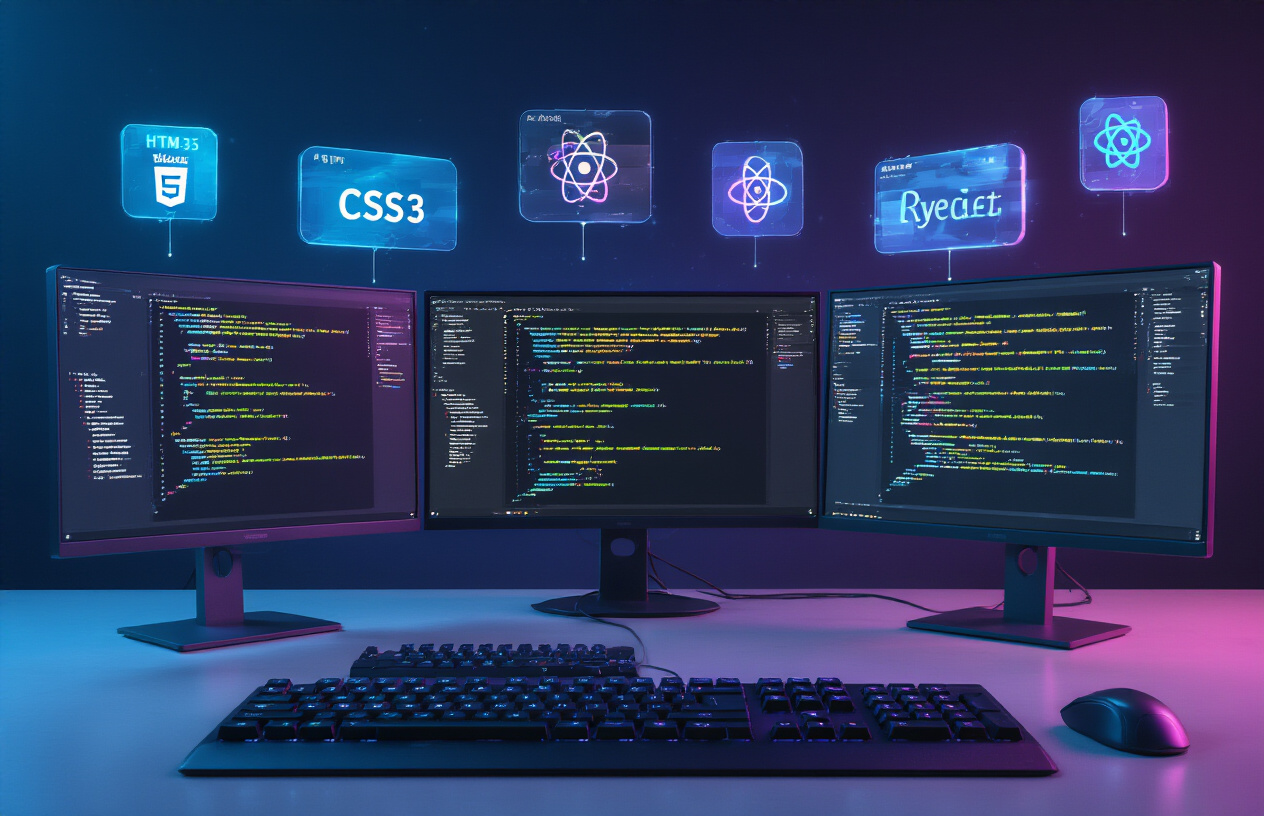
The JavaScript ecosystem continues to evolve rapidly, with new frameworks and libraries emerging while established ones mature. React 19 introduces server components and automatic batching, fundamentally changing how we think about state management and rendering. Next.js 15 pushes the boundaries with app router improvements and enhanced server-side capabilities that developers must understand to stay competitive.
Vue 3’s composition API has revolutionized component logic organization, while Svelte 5 introduces runes for fine-grained reactivity. Angular 18 embraces standalone components and signals, marking a shift toward more modern architectural patterns. Mastering these isn’t just about learning syntax – it’s about understanding the underlying paradigms and choosing the right tool for specific project requirements.
Beyond the big three, specialized libraries like Solid.js offer performance advantages through compile-time optimizations, while frameworks like Astro excel in content-heavy applications. The key lies in developing framework-agnostic thinking patterns that transfer across technologies. Understanding concepts like hydration, streaming SSR, and edge computing becomes crucial as these patterns appear across different frameworks.
Developers should focus on mastering TypeScript integration within their chosen framework, as type safety becomes non-negotiable in professional environments. Knowledge of testing frameworks like Vitest, Playwright, and React Testing Library ensures code reliability at scale.
Web Assembly Integration and Performance Optimization
WebAssembly (WASM) transforms how we approach computationally intensive tasks in browsers. Games, image processing, video editing, and data visualization applications now run at near-native speeds within web browsers. Understanding WASM compilation from languages like Rust, C++, and Go opens doors to building previously impossible web applications.
The integration between JavaScript and WASM modules requires careful attention to memory management and data serialization. Developers need to understand when WASM provides benefits over JavaScript and when the overhead isn’t worth the complexity. Real-world applications often use WASM for specific performance bottlenecks while keeping the majority of application logic in JavaScript.
Performance optimization extends beyond WASM into core web vitals and user experience metrics. Code splitting strategies, lazy loading implementations, and bundle optimization techniques directly impact application performance. Tools like Lighthouse, WebPageTest, and Chrome DevTools provide insights, but interpreting and acting on this data requires deep understanding.
Modern bundlers like Vite, Rollup, and esbuild offer sophisticated optimization features, but developers must understand tree shaking, dead code elimination, and module federation concepts. The rise of edge computing platforms like Cloudflare Workers and Vercel Edge Functions creates new optimization opportunities and challenges that front-end developers must navigate.
Progressive Web Apps and Native Mobile Development
PWAs bridge the gap between web and mobile applications, offering offline functionality, push notifications, and app-like experiences. Service workers, web app manifests, and cache strategies form the foundation, but advanced implementations require understanding background sync, periodic background sync, and web push protocols.
The latest PWA capabilities include file system access, device sensors, and native app integration through APIs like Web Share and Payment Request. These features enable web applications to compete directly with native mobile apps in many scenarios. Understanding when PWAs provide sufficient functionality versus when native development remains necessary becomes a crucial business decision skill.
React Native continues evolving with the New Architecture (Fabric and TurboModules), while Flutter’s web support improves. Cross-platform development strategies now include multiple viable options, each with distinct trade-offs. Developers should understand Expo’s role in React Native development, including EAS Build and OTA updates.
Native mobile development knowledge remains valuable, particularly understanding iOS and Android platform guidelines, app store requirements, and device-specific optimization techniques. The ability to bridge web and mobile development opens career opportunities in full-stack mobile development roles.
AI-Powered Development Tools and Code Automation
GitHub Copilot, ChatGPT, and other AI coding assistants fundamentally change how developers work. These tools excel at generating boilerplate code, suggesting optimizations, and helping with debugging complex issues. However, effective usage requires understanding their limitations and developing prompting skills that maximize productivity.
Code generation tools like v0, CodeSandbox, and Replit’s AI features can scaffold entire applications from natural language descriptions. Understanding how to iterate on AI-generated code, refactor for maintainability, and integrate with existing codebases becomes essential. The skill lies not in avoiding AI tools but in leveraging them effectively while maintaining code quality standards.
Automated testing generation, code review assistance, and documentation creation through AI tools streamline development workflows. Tools like DeepCode, SonarCloud, and CodeClimate now incorporate AI-powered suggestions that go beyond static analysis. Understanding how to configure and interpret these tools ensures code quality without drowning in false positives.
The emergence of AI-powered design-to-code tools like Figma’s Dev Mode and Sketch2Code requires developers to understand design systems and component libraries deeply. These tools work best when developers can guide the AI toward consistent patterns and maintainable architectures rather than accepting everything at face value.
Emerging Technologies Reshaping User Experience Design

Immersive Web Technologies and WebXR Implementation
WebXR is transforming how users interact with digital content directly through their browsers. This umbrella technology covers virtual reality (VR), augmented reality (AR), and mixed reality experiences that work seamlessly across devices without requiring separate app installations. Front-end developers now create 3D environments, interactive product demonstrations, and virtual showrooms using WebXR APIs alongside established libraries like Three.js and A-Frame.
The implementation process involves understanding spatial computing principles, optimizing 3D models for web performance, and designing intuitive hand tracking or gaze-based interactions. Popular use cases include virtual furniture placement for e-commerce, immersive training modules for education platforms, and 3D data visualization for enterprise applications. Performance optimization becomes critical since these experiences demand smooth 60fps rendering while maintaining accessibility across different device capabilities.
Progressive enhancement strategies ensure graceful fallbacks for non-XR devices, making immersive features optional enhancements rather than requirements. Developers leverage WebGL shaders, spatial audio APIs, and gesture recognition to create compelling experiences that rival native applications while maintaining web platform advantages like instant loading and cross-platform compatibility.
Voice User Interfaces and Conversational Design Patterns
Voice interactions are reshaping web applications through speech recognition and natural language processing capabilities. Modern browsers support the Web Speech API, enabling developers to integrate voice commands, dictation features, and audio feedback directly into web applications. This shift requires understanding conversation flow design, context awareness, and multi-modal interaction patterns that combine voice with visual elements.
Successful voice interface design focuses on clear verbal prompts, error recovery mechanisms, and contextual help systems. Users expect natural conversation patterns rather than rigid command structures, pushing developers to implement intent recognition, entity extraction, and dialogue management systems. Voice accessibility considerations become paramount, ensuring interfaces work effectively for users with different speech patterns, accents, and speaking abilities.
Implementation involves designing for ambient noise, handling interruptions gracefully, and providing visual confirmation for voice actions. Smart defaults, progressive disclosure of voice features, and seamless switching between voice and traditional input methods create inclusive experiences. Voice analytics help developers understand usage patterns and optimize conversation flows based on real user behavior rather than assumptions.
Micro-Interactions and Advanced Animation Techniques
Micro-interactions provide instant feedback that makes interfaces feel responsive and alive. These small animated details—button hover effects, loading indicators, form validation feedback, and state transitions—significantly impact user perception of quality and responsiveness. Modern CSS animations, Web Animations API, and libraries like Framer Motion enable sophisticated motion design that guides attention and communicates system status effectively.
Advanced animation techniques include physics-based animations that feel natural, orchestrated sequences that create narrative flow, and adaptive animations that respond to user preferences and device capabilities. Intersection Observer API enables scroll-triggered animations, while CSS Custom Properties allow dynamic animation parameters based on user interactions or data changes. Performance optimization through will-change properties, transform3d acceleration, and requestAnimationFrame ensures smooth experiences across devices.
Meaningful motion design follows principles of timing, easing, and spatial relationships that mirror real-world physics. Reduced motion preferences require thoughtful alternatives that maintain functionality while respecting accessibility needs. Animation systems should enhance usability rather than distract, using consistent timing patterns, logical spatial relationships, and clear cause-and-effect relationships between user actions and visual responses.
Career Advancement Strategies for Maximum Market Value

Building a Portfolio That Showcases Cutting-Edge Projects
Your portfolio serves as the ultimate proof of your capabilities, and in 2026, it needs to demonstrate mastery of next-generation technologies. Focus on projects that highlight your expertise in WebAssembly applications, progressive web apps with advanced offline capabilities, and interactive experiences using WebGL or WebXR.
Include at least three projects that solve real business problems. A data visualization dashboard using D3.js with real-time updates, an e-commerce platform with micro-frontend architecture, or a collaborative tool built with WebRTC showcase your ability to handle complex requirements. Each project should include detailed case studies explaining your decision-making process, technical challenges overcome, and measurable impact on user experience or business metrics.
Make your code accessible through GitHub with comprehensive README files, live demos, and video walkthroughs. Document your testing strategies, accessibility implementations, and performance optimization techniques. Consider creating interactive playground environments where potential employers can experiment with your components directly in the browser.
Developing Leadership Skills in Cross-Functional Teams
Technical expertise alone won’t secure top-tier positions. The most valuable front-end developers in 2026 bridge the gap between design, backend engineering, and product management. Start by volunteering to lead small initiatives within your current role, such as establishing coding standards, organizing knowledge-sharing sessions, or mentoring junior developers.
Practice translating complex technical concepts into business language that stakeholders can understand. When a designer proposes an interaction that’s technically challenging, explain the trade-offs in terms of development time, performance impact, and maintenance costs rather than diving into implementation details.
Develop your project management skills by learning agile methodologies and tools like Jira, Linear, or Notion. Understanding sprint planning, backlog grooming, and stakeholder communication makes you invaluable to any development team. Take ownership of cross-team initiatives like design system implementation or performance monitoring programs.
Build your conflict resolution abilities by mediating disagreements between design and engineering teams. Often, these conflicts stem from misaligned priorities or communication gaps rather than fundamental technical issues. Your role as a front-end developer positions you perfectly to understand both perspectives and find practical solutions.
Establishing Your Personal Brand as a Technology Expert
Content creation has become essential for career advancement in tech. Start by identifying a specific niche within front-end development where you can become a recognized authority. This might be performance optimization, accessibility implementation, or emerging technologies like WebAssembly or Web Components.
Write technical blog posts that go beyond basic tutorials. Share detailed post-mortems of complex problems you’ve solved, comparative analyses of different tools or frameworks, or predictions about future industry trends. Publish on platforms like Dev.to, your personal blog, and company engineering blogs to maximize reach.
Speaking at conferences and meetups accelerates your visibility in the community. Start with local meetups or virtual events before targeting major conferences. Prepare talks that combine technical depth with practical insights attendees can immediately apply to their work.
Create educational content on YouTube or Twitch, demonstrating live coding sessions, code reviews, or technology deep-dives. Video content performs exceptionally well for technical topics and allows viewers to see your problem-solving process in real-time.
Engage authentically on Twitter and LinkedIn by sharing insights, commenting thoughtfully on industry discussions, and celebrating others’ achievements. Avoid generic motivational posts in favor of specific technical observations or lessons learned from your projects.
Networking and Community Building for Professional Growth
The front-end development community thrives on knowledge sharing and collaboration. Join specialized Discord servers, Slack communities, and forums where developers discuss emerging technologies and share career advice. Active participation in communities like Frontend Mentor, Dev Community, or framework-specific groups creates lasting professional relationships.
Attend industry conferences both virtually and in-person. Events like React Conf, VueConf, or JSConf provide opportunities to meet potential employers, collaborators, and mentors. Don’t just attend sessions; engage with speakers during Q&A sessions and networking breaks.
Consider organizing local meetups or online events in your area. Event organization demonstrates leadership while creating valuable connections within your local tech ecosystem. Partner with companies to host events, which often leads to direct recruiting conversations.
Maintain relationships by following up with new connections promptly and offering genuine value. Share relevant job opportunities, introduce people who could benefit from knowing each other, or offer to review portfolios or provide technical guidance.
Build relationships with recruiters who specialize in front-end development roles. Quality recruiters maintain long-term relationships and can provide market insights, salary benchmarking, and early access to exclusive opportunities. Treat these relationships professionally and be transparent about your career goals and timeline.
Industry Trends Driving Developer Demand and Salaries

The shift to remote work has completely changed how companies hire front-end developers. Companies no longer limit themselves to local talent pools when they can access skilled developers from anywhere in the world. This global accessibility has created unprecedented opportunities for developers while intensifying competition.
Salary disparities between regions have started to level out as companies pay competitive rates for top talent regardless of location. A skilled React developer in Eastern Europe can now command Silicon Valley-adjacent rates while working for US-based companies. This trend has pushed overall compensation higher across the board.
The numbers tell the story clearly:
| Region | Pre-2020 Average Salary | 2024 Remote Average | Growth |
|---|---|---|---|
| North America | $85,000 | $95,000 | +12% |
| Western Europe | $65,000 | $78,000 | +20% |
| Eastern Europe | $35,000 | $55,000 | +57% |
| Asia-Pacific | $45,000 | $62,000 | +38% |
Remote work has also accelerated the demand for developers who can work across time zones and communicate effectively in distributed teams. Companies value developers who can manage their own schedules while staying aligned with global team objectives.
Startup Ecosystem Growth and Innovation Hubs
Startup activity has exploded across multiple sectors, each requiring sophisticated front-end solutions. Fintech companies need developers who understand complex data visualization and security-focused UI patterns. Health tech startups demand expertise in accessibility and compliance-driven design systems. E-commerce platforms require developers skilled in performance optimization and conversion-focused interfaces.
The geographic distribution of startup hubs has expanded dramatically. While Silicon Valley remains influential, cities like Austin, Miami, Berlin, Bangalore, and Tel Aviv have emerged as major innovation centers. Each hub brings unique opportunities and salary expectations:
High-Growth Startup Hubs:
Austin: Gaming and enterprise software focus
Miami: Fintech and crypto-focused companies
Berlin: B2B SaaS and marketplace platforms
Bangalore: Global product development centers
Tel Aviv: Cybersecurity and enterprise tools
Startups typically offer equity compensation packages that can significantly boost total compensation. Early-stage companies often provide 0.1% to 2% equity stakes for senior front-end developers, with potential values reaching six figures if the company succeeds.
The pace of innovation in startups means developers gain exposure to cutting-edge technologies faster than in traditional corporate environments. This experience becomes incredibly valuable for career advancement and salary negotiations.
Enterprise Digital Transformation Investment Patterns
Large enterprises have accelerated their digital transformation efforts, creating massive demand for front-end developers who can modernize legacy systems. Companies are investing billions in user experience overhauls, mobile-first strategies, and cloud-native applications.
Enterprise projects typically involve complex requirements around accessibility compliance, multi-brand design systems, and integration with existing business systems. Developers who can navigate these challenges command premium salaries, often 15-25% higher than standard market rates.
Key Investment Areas:
Legacy system modernization: $2.3 trillion global market
Customer portal development: Growing 23% annually
Internal tool optimization: 40% increase in enterprise spending
Mobile experience enhancement: $180 billion market size
Fortune 500 companies are particularly focused on hiring developers with experience in enterprise-grade frameworks and design systems. Knowledge of tools like Storybook, micro-frontends architecture, and enterprise security patterns can increase salary offers by $15,000-$30,000 annually.
The consulting market around enterprise digital transformation has also grown substantially. Freelance front-end developers with enterprise experience can charge $120-$200 per hour for transformation projects, while specialized consulting firms are actively recruiting developers with corporate experience at premium compensation levels.
Practical Steps to Future-Proof Your Development Career

The tech landscape changes faster than fashion trends, and staying ahead means developing a systematic approach to learning. Start by conducting quarterly skill audits using job boards and developer surveys to identify emerging technologies gaining traction. Create a skills matrix comparing your current abilities against market demands, then prioritize gaps based on their impact on your career trajectory.
Set up learning sprints—focused 2-3 week periods where you dive deep into specific technologies. Mix theoretical knowledge with hands-on projects, building small applications that demonstrate your understanding. Subscribe to developer newsletters, follow thought leaders on Twitter, and join Discord communities where professionals share real-world insights.
The key is consistency over intensity. Dedicate 30 minutes daily to learning rather than cramming during weekends. Use platforms like Frontend Masters, Pluralsight, or free resources like MDN and YouTube channels for structured learning paths. Track your progress in a learning journal, noting what works and what doesn’t for your learning style.
Contributing to Open Source Projects for Visibility
Open source contributions serve as your public portfolio, showcasing not just coding skills but collaboration abilities and problem-solving approaches. Start small with documentation improvements or bug fixes on projects you already use. This builds confidence while contributing meaningful value to the community.
Choose projects aligned with your career goals. If you’re interested in React development, contribute to React-related libraries or tools. GitHub’s “good first issue” labels help newcomers find beginner-friendly tasks. Remember, maintainers appreciate quality over quantity—one well-thought-out contribution beats ten rushed ones.
Document your contributions with detailed pull request descriptions explaining your thought process. This demonstrates communication skills and technical understanding to potential employers browsing your GitHub profile. Many developers land interviews simply because hiring managers discovered their open source work.
Create your own projects addressing real problems you’ve encountered. Even simple tools that solve niche issues can gain traction and establish you as a problem-solver in the community.
Mentoring and Knowledge Sharing for Industry Recognition
Teaching others solidifies your own knowledge while building your professional reputation. Start by writing technical blog posts about problems you’ve solved or technologies you’ve learned. Share debugging experiences, optimization techniques, or project architectures that others can learn from.
Speaking at local meetups or conferences positions you as a subject matter expert. Begin with lightning talks at smaller venues before pursuing larger speaking opportunities. Record your presentations and share them online to extend your reach beyond physical attendees.
Mentoring junior developers, whether formally through company programs or informally through online communities, develops leadership skills while giving back to the community. Many senior developers remember those who helped them early in their careers and reciprocate with recommendations and opportunities.
Consider starting a YouTube channel or podcast focused on front-end development topics. Consistent content creation builds an audience and establishes thought leadership, often leading to consulting opportunities or job offers from companies seeking recognized experts.
Adapting to New Development Methodologies and Tools
The development ecosystem constantly evolves with new frameworks, build tools, and methodologies emerging regularly. Successful developers maintain flexibility while avoiding the trap of chasing every shiny new technology. Evaluate new tools based on their potential impact, community adoption, and alignment with your career goals.
Stay informed about industry shifts through developer surveys like Stack Overflow’s annual report and State of JS. These provide data-driven insights into which technologies are gaining or losing momentum. Join beta testing programs for major tools to gain early experience with upcoming features.
Practice different development approaches—from traditional MVC patterns to component-based architectures to serverless functions. Understanding multiple paradigms makes you more adaptable when teams adopt new methodologies. Participate in hackathons or side projects to experiment with cutting-edge tools without work pressure.
Build relationships with peers who work with different tech stacks. Their experiences provide valuable perspectives on whether new technologies solve real problems or just add complexity. Cross-pollination of ideas often leads to innovative solutions in your primary domain.
Building Sustainable Work-Life Balance in Tech Careers
Tech careers can be demanding, but sustainability requires setting boundaries and maintaining perspective. The “hustle culture” mentality often leads to burnout, which ultimately hurts career progression more than taking occasional breaks.
Establish clear work hours and stick to them. Remote work makes this challenging, but physical separation between work and personal spaces helps maintain boundaries. Turn off work notifications outside business hours and resist the urge to “quickly check” emails or Slack messages.
Invest in physical and mental health through regular exercise, adequate sleep, and stress management techniques. Many developers underestimate how much physical wellness affects cognitive performance and creative problem-solving abilities.
Pursue hobbies unrelated to technology. Reading fiction, playing music, gardening, or sports provide mental breaks from screen time and logical thinking. These activities often spark creative solutions to programming challenges through subconscious processing.
Build a support network of fellow developers who understand the unique challenges of tech careers. Having people to discuss technical frustrations, career decisions, and industry changes provides valuable perspective and reduces isolation common in remote work environments.
Plan regular vacations and actually disconnect during time off. The problems you’re solving will still be there when you return, but you’ll approach them with renewed energy and fresh perspectives. Companies that don’t respect time off aren’t worth your long-term commitment anyway.

Your career growth depends on more than just coding skills – building a strong portfolio, networking with industry professionals, and continuously updating your knowledge base will set you apart in an increasingly competitive market. Start by focusing on one emerging technology that excites you, dedicate time each week to learning it, and begin incorporating it into your projects. The developers who take action today will be the ones commanding premium salaries and leading innovative projects in 2026.